Protecting Your Organization: How to Stay Safe from Deceptive Email Attacks

Protecting Your Organization: How to Stay Safe from Deceptive Email Attacks

Email security threats are constantly evolving, and attackers frequently use seemingly safe emails to breach organizational systems. For small-to-medium businesses (SMBs), nonprofits, churches, and school districts in Texas, vigilance is crucial. Understanding common tactics attackers use and knowing how to identify deceptive email attacks can significantly strengthen your cybersecurity posture.

Common Types of Deceptive Email Attacks

1. Phishing Emails Phishing emails trick recipients into revealing sensitive information like login credentials, financial details, or personal data. A real-world example is the 2019 phishing attack on the Manor Independent School District in Texas, resulting in a $2.3 million loss. ​

In late 2019, the Manor Independent School District (MISD) in Texas experienced a significant financial loss due to a sophisticated phishing scam. Over approximately a month, the district unwittingly transferred $2.3 million to cybercriminals.​

The incident began in November 2019 when multiple MISD employees received phishing emails. One staff member responded, leading to unauthorized changes in bank account information for a known vendor. Subsequently, three separate payments were made to the fraudulent account before the district realized the deception in December 2019.

Detective Anne Lopez of the Manor Police Department emphasized the importance of vigilance, advising individuals to scrutinize emails and verify the authenticity of any requests, especially those involving financial transactions.

In response to the breach, MISD collaborated with the Manor Police Department and the Federal Bureau of Investigation, both of which launched investigations into the incident. The district also issued public statements to inform the community and sought assistance from anyone with pertinent information.

This event underscores the critical need for comprehensive cybersecurity measures, including regular employee training, stringent verification protocols, and advanced email filtering systems, to protect organizations from similar threats.

What to look for:

  • Unfamiliar sender addresses.
  • Urgent requests for information or funds.
  • Spelling or grammatical errors. (They are using AI now so look for poor phrasing or confusing writing flows)

2. Spear Phishing Attacks Spear phishing is targeted phishing aimed at specific individuals or roles within an organization, making the emails more convincing. In 2020, Ubiquiti Networks, a prominent networking technology company, experienced a significant security breach orchestrated by an insider, Nickolas Sharp, who exploited his privileged access to steal confidential data and attempt extortion.

The Spear Phishing Attack

So, Nickolas Sharp, a senior cloud engineer at Ubiquiti, utilized his authorized credentials to infiltrate the company’s Amazon Web Services (AWS) infrastructure and GitHub repositories. To conceal his identity, he employed a Virtual Private Network (VPN) service, specifically Surfshark. However, during the data exfiltration process, a temporary internet outage led to his real IP address being logged, inadvertently exposing his identity. Sharp managed to download substantial amounts of sensitive data, including source code and customer information.

Subsequently, he posed as an anonymous hacker, demanding a ransom of 50 Bitcoin from Ubiquiti in exchange for not releasing the stolen data. When the company refused to comply, Sharp leaked misleading information about the breach, causing a significant drop in Ubiquiti’s stock value.

Attack Methodology and Motivation

This incident exemplifies an insider threat, where an individual with legitimate access exploits their position for malicious purposes. Sharp’s actions were financially motivated, aiming to extort the company by leveraging the stolen data. His technical knowledge and authorized access facilitated the breach, highlighting the challenges organizations face in detecting and preventing insider threats.

Preventive Measures:

To mitigate such risks, organizations can implement the following strategies:

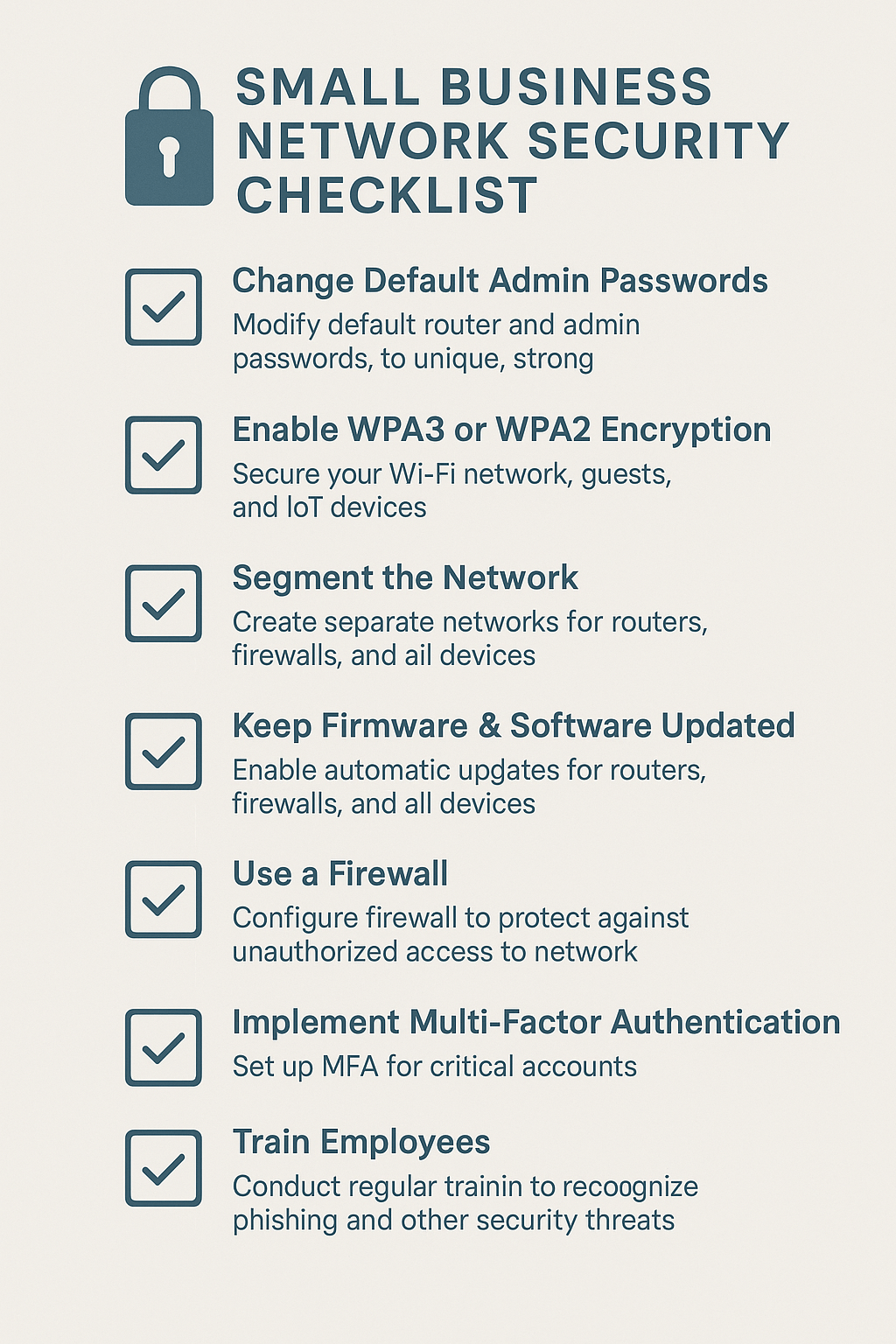
  • Zero Trust Model: Adopting a Zero Trust security framework ensures that all users, regardless of their position, are continuously authenticated and authorized, minimizing implicit trust.
  • Network Segmentation: Dividing the network into distinct segments restricts access to sensitive data, ensuring that employees can only access information pertinent to their roles.
  • Enhanced Monitoring: Implementing robust monitoring and logging mechanisms can detect unusual activities, such as large data transfers or unauthorized access attempts, enabling swift responses to potential threats.

Ubiquiti’s Response and Future Protections

Upon discovering the breach, Ubiquiti initiated an internal investigation and collaborated with law enforcement agencies. The company advised customers to change their passwords and enable two-factor authentication as precautionary measures. Additionally, Ubiquiti emphasized its commitment to enhancing security protocols to prevent future incidents. citeturn0search3

This case underscores the critical importance of robust internal security measures and the need for organizations to remain vigilant against both external and internal threats.

What to look for:

  • Personalized emails referencing specific roles or responsibilities.
  • Requests from known contacts with unusual content or formatting.

3. Business Email Compromise (BEC) Business Email Compromise (BEC) attacks have become increasingly prevalent, causing significant financial losses across various sectors. In 2022, the FBI’s Internet Crime Complaint Center (IC3) received 21,832 BEC complaints, with reported losses exceeding $2.7 billion. citeturn0search13

Understanding BEC Attacks

BEC attacks involve cybercriminals impersonating trusted figures—such as company executives, vendors, or legal representatives—to deceive employees into executing unauthorized financial transactions or divulging sensitive information. These attacks often employ social engineering tactics, exploiting human trust and organizational protocols. citeturn0search0

Notable BEC Incidents:

  1. Ubiquiti Networks (2021):
    • Summary: Ubiquiti Networks, a global networking technology company, suffered a BEC attack resulting in losses exceeding $40 million.
    • Attack Details: Attackers gained access to an employee’s email account and used it to send fraudulent payment requests to Ubiquiti’s finance department and external vendors. citeturn0search6
  2. Toyota Boshoku Corporation (2019):
    • Summary: Toyota Boshoku Corporation, a major Japanese automotive parts manufacturer, lost $37 million due to a BEC attack.
    • Attack Details: Attackers compromised a vendor’s email account and sent fraudulent payment requests to the company. citeturn0search6

Preventive Measures

Organizations can implement several strategies to mitigate the risk of BEC attacks:

  • Employee Training: Regularly educate staff about recognizing phishing attempts and the importance of verifying unusual requests.
  • Multi-Factor Authentication (MFA): Implement MFA to add an extra layer of security to email accounts and financial transactions.
  • Verification Protocols: Establish procedures to verify payment or data requests, such as confirming through a secondary communication channel.
  • Email Filtering: Utilize advanced email filtering solutions to detect and block potential phishing emails.

Response to BEC Incidents

Organizations that have fallen victim to BEC attacks often take the following steps to enhance future security:

  • Incident Analysis: Conduct thorough investigations to understand the breach’s scope and methodology.
  • Policy Revisions: Update financial and communication protocols to include additional verification steps.
  • Technological Enhancements: Invest in advanced cybersecurity tools and infrastructure to detect and prevent future attacks.
  • Collaboration with Authorities: Work closely with law enforcement agencies to address the breach and prevent further incidents.

By adopting these measures, organizations can significantly reduce the likelihood of falling victim to BEC attacks and protect their financial and informational assets.

What to look for:

  • Sudden changes in payment instructions.
  • Emails from executives outside normal channels or processes.

Essential Practices to Protect Your Organization

Educate Your Team Regularly Conduct routine training sessions emphasizing how to recognize and respond to suspicious emails. Organizations like churches and school districts particularly benefit from regular security awareness programs tailored specifically to their needs.

Implement Email Authentication Protocols Use authentication standards like SPF, DKIM, and DMARC to help ensure email legitimacy, significantly reducing the likelihood of deceptive emails reaching your inbox.

Verify Requests Independently Always verify financial or sensitive requests via a separate communication channel, such as a phone call, especially if the email seems slightly unusual.

Stay Updated on Cybersecurity Trends Regularly update your knowledge about emerging threats. Platforms like the Texas Department of Information Resources or the Cybersecurity & Infrastructure Security Agency (CISA) provide useful, up-to-date information. You can also follow SofTouch Systems here on our webpage, LinkedIn, Facebook, and our bi-weekly newsletter.

How Managed IT Services Can Help

While these guidelines will significantly reduce your risk, some SMBs and nonprofits need professional guidance to establish robust cybersecurity frameworks effectively. Managed IT services, like those offered by SofTouch Systems, provide expert consultations, secure email setups, employee training, and proactive monitoring to protect your organization’s critical data.

Our specialists help you:

  • Implement advanced cybersecurity protocols.
  • Regularly test your security posture.
  • Respond swiftly and effectively to security incidents.

Secure Your Organization Today

Don’t wait until a deceptive email attack compromises your business or nonprofit organization. Take proactive steps now and reach out for a comprehensive IT consultation. At SofTouch Systems, we ensure your organization stays safe so you can focus on what truly matters.


How Managed IT Services Can Save Your Business Money

Cybersecurity & Infrastructure Security Agency

Contact SofTouch Systems today for your free cybersecurity consultation.

5 Common Wi-Fi Dead Zones Killing Your Connectivity (and How to Fix Them)

Wi-Fi Dead Zones Killing Your Connectivity


Reliable Wi-Fi is critical for productivity and smooth operations, especially for businesses. Unfortunately, many business owners in Texas struggle with intermittent Wi-Fi signals, often unaware they’re dealing with “dead zones”—areas where wireless signals weaken or vanish entirely. Let’s dive into five common Wi-Fi Dead Zones Solutions and practical strategies to overcome each one.

Wi-Fi Dead Zones isolate you from the world

1. Thick Walls and Structural Barriers

Dense materials like brick, concrete, or metal can dramatically weaken Wi-Fi signals. For instance, if your office router is behind a concrete wall, your signal might be severely limited in adjacent rooms. The best fix? Position your router centrally in an open space or upgrade to a mesh Wi-Fi system. Mesh systems use multiple points to blanket your area in strong Wi-Fi coverage.

Read more on optimal router placement here

2. Kitchen Appliances and Electronic Interference

Common household items such as microwaves, refrigerators, cordless phones, and even baby monitors emit signals interfering with Wi-Fi. For example, a microwave operating at high power near your router can significantly degrade signal strength. The solution? Keep your router at least 5 feet away from these devices or use dual-band routers that help minimize interference.

3. Large Metal or Reflective Furniture

Surprisingly, metal filing cabinets, desks, and large furniture items can reflect or absorb Wi-Fi signals. A router placed on or near metal shelves or filing cabinets often struggles to transmit signals clearly. Opt for higher placement, away from heavy furniture, to ensure better coverage.

3. Mirrors and Large Glass Windows

Reflective surfaces like mirrors or extensive glass walls bounce Wi-Fi signals back, reducing their effective range. For example, an office with a large decorative mirror opposite the router could face persistent connectivity issues. Adjust your router placement away from reflective surfaces, or consider installing Wi-Fi extenders to redirect signals around such obstacles.

4. Basements and Remote Office Corners

Wi-Fi signals naturally weaken with distance and struggle to penetrate underground spaces. A router on the top floor often won’t reach basement offices efficiently. Implementing Wi-Fi range extenders or additional access points can ensure coverage in these challenging locations.

4. Crowded Areas and Network Congestion

In densely packed business complexes, multiple Wi-Fi networks can overlap, causing congestion and interference. This often leads to slow internet speeds, even if signal strength appears strong. Changing your router’s Wi-Fi channel or upgrading to advanced dual-band or tri-band routers can significantly enhance your signal clarity.


Ready to Eliminate Your Wi-Fi Dead Zones?

Wi-Fi Dead Zones negatively affect your business

At SofTouch Systems, we understand how critical reliable Wi-Fi is to your business operations. Our experienced IT professionals provide comprehensive network evaluations tailored specifically to your environment. Whether at home or in your business, we’ll design and install a secure Wi-Fi network to meet your connectivity needs.

Don’t let poor Wi-Fi disrupt your workflow or customer satisfaction. Connect with SofTouch Systems today, and experience the difference expert-managed IT services can make for your business.

Explore SofTouch Systems Wi-Fi Dead Zones Solutions →


Additional Helpful Resources:

Router Placement Guide from TP-Link

FCC Recommendations on Wi-Fi Speed and Quality

4 Easy Ways AI Can Work For Your Business

Adapting to AI could be the key to the success your business needs.

Harnessing assistance for your business shouldn’t be a gamble, and relying on well-intentioned but mismatched expertise, like your brother-in-law with a psychology degree as your marketing manager, might not be the answer.

Enter Artificial Intelligence (AI), the contemporary equivalent of an “outsourced employee” poised to revolutionize the way your business operates—faster, more secure, and with heightened efficiency. Surprisingly, a recent Census Bureau report reveals that a mere 3.8% of businesses have embraced AI, an astonishingly low figure given its accessibility and multifaceted utility.

The lack of widespread adoption may stem from a dearth of education on AI business solutions, compounded by its relatively recent integration into the free market as of fall 2023. In this discussion, we’ll delve into four ways AI can seamlessly integrate into and elevate your business operations.

AI Class in session

Increase Efficiency

AI tells you which corners to cut

Implementing AI in small and medium-sized businesses (SMBs) can significantly enhance operational efficiency and propel them towards greater success. By harnessing the power of artificial intelligence, businesses can automate routine tasks, streamline processes, and make data-driven decisions.

This not only reduces the burden on employees, allowing them to focus on more strategic and creative aspects of their roles, but also minimizes the likelihood of human errors. AI-driven solutions can analyze vast amounts of data swiftly, providing valuable insights that aid in better understanding customer behaviors and market trends.

For SMBs, this translates into improved productivity, cost savings, and the ability to adapt quickly to dynamic market conditions. As someone involved in marketing business IT services (like SofTouch Systems), incorporating AI into your offerings could open up new avenues for delivering cutting-edge solutions that cater to the evolving needs of SMBs in today’s competitive landscape.

Process Automation

AI on auto pilot

In the realm of SMBs, the integration of AI to automate processes stands as a game-changer, offering a multitude of benefits. AI-driven automation streamlines repetitive tasks, allowing employees to redirect their efforts towards more strategic and value-added activities.

Whether it’s automating data entry, managing inventory, or handling customer inquiries, AI systems can execute these tasks with precision and speed, minimizing errors and boosting overall operational efficiency. For SMBs with limited resources, this not only translates into significant time savings but also contributes to cost reduction. Additionally, AI algorithms can learn and adapt over time, optimizing processes further and ensuring that businesses remain agile in the face of evolving market demands.

Embracing AI for process automation becomes not just a convenience but a vital strategy for SMBs looking to stay competitive and thrive in the modern business landscape. As someone engaged in marketing business IT services, promoting AI automation solutions can position you as a key player in empowering SMBs to unlock their full potential.

Translation Services

Many AI’s today are Language Models

For SMBs, leveraging AI for language translation can be a transformative strategy with a myriad of advantages. AI-powered translation tools not only facilitate seamless communication with a global audience but also break down language barriers that may hinder business expansion.

These systems can provide accurate and contextually relevant translations, ensuring that marketing materials, product information, and customer communications resonate effectively across diverse linguistic landscapes. By automating language translation, SMBs can enhance their international presence, attract a broader customer base, and foster stronger connections with clients from different cultural backgrounds.

Moreover, the time and resources saved by automating translation processes enable SMBs to focus on core business activities, driving efficiency and overall productivity. As someone involved in marketing business IT services, promoting AI-driven language translation solutions can position you as a facilitator of global business growth for SMBs, aligning with their aspirations for broader market reach and success.

Analyzing Data

Save company resources and let AI do it

Integrating AI into data analysis processes offers tangible and practical benefits for SMBs. Consider a retail SMB that utilizes AI algorithms to analyze customer purchasing patterns. By doing so, the business can gain valuable insights into consumer preferences, optimize inventory levels, and personalize marketing strategies.

In the realm of customer service, an SMB employing AI-powered analytics can enhance support by quickly analyzing customer interactions, identifying common issues, and proactively addressing concerns. Moreover, AI-driven data analysis proves invaluable in cybersecurity for SMBs, detecting anomalies and potential threats in real-time to safeguard sensitive information.

Whether it’s improving sales strategies, enhancing customer experiences, or fortifying cybersecurity measures, the practical applications of AI in data analysis empower SMBs to operate more efficiently and competitively in today’s dynamic business landscape. As someone marketing business IT services, showcasing how AI can bring these practical advantages to SMBs can be a compelling proposition for your target audience.

AI is a TOOL

AI emerges as a versatile ally for SMBs, providing a suite of benefits that enhance overall operations. Firstly, AI’s prowess in analyzing data empowers SMBs to glean actionable insights swiftly, enabling informed decision-making and strategic planning.

Secondly, AI-driven translation services break down language barriers, facilitating global reach and effective communication with diverse audiences. Thirdly, automation services streamline routine tasks, freeing up valuable time and resources for more strategic endeavors. Lastly, AI contributes to increased efficiency across various business facets, from customer service to inventory management.

By embracing AI, SMBs can optimize their processes, fortify their competitive edge, and navigate the complexities of the modern business landscape with agility and innovation.