
Cyberattacks rarely happen at a convenient time. Instead, they strike during busy workdays, after hours, or while key employees are on vacation. That is why having an incident response plan for small business is no longer optional. The recent news that the U.S. Cybersecurity and Infrastructure Security Agency (CISA) refined parts of its own incident response playbook following a cybersecurity incident serves as an important reminder: even organizations dedicated to cybersecurity continually improve their response procedures.
If one of the nation’s leading cybersecurity agencies believes preparation matters, every small business should ask the same question:
“If our business were attacked today, would everyone know what to do?”
For many businesses, the honest answer is no.
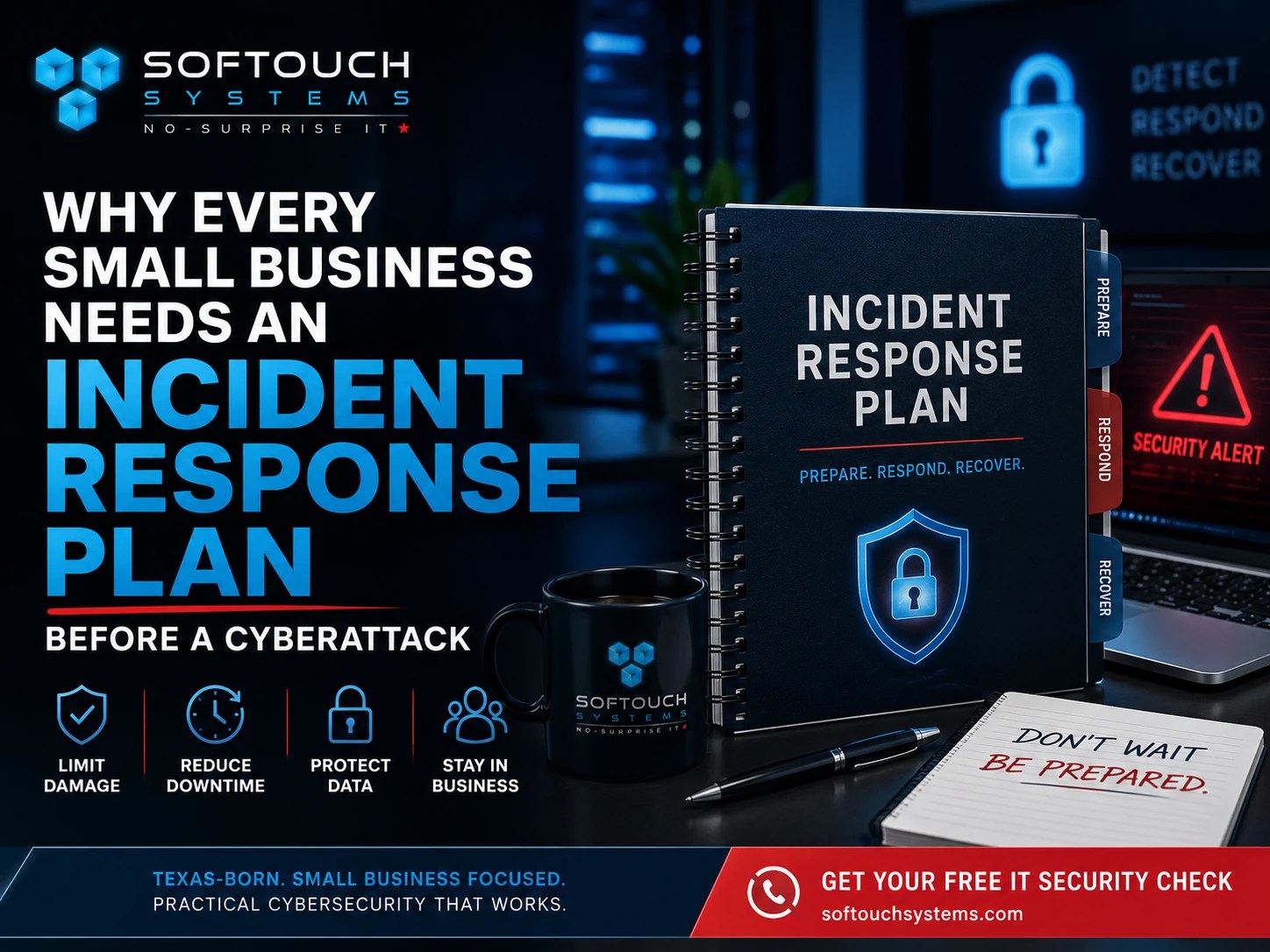
What Is an Incident Response Plan?
An incident response plan is a documented set of procedures that tells your team exactly how to respond when a cybersecurity incident occurs.
Contrary to popular belief, it doesn’t have to be a massive technical manual. For most small businesses, it should simply answer a few critical questions:
- Who should employees notify first?
- Who has the authority to make decisions?
- How do you isolate an infected computer?
- Where are your backups located?
- How will you communicate if email systems are unavailable?
- Which vendors or IT providers should be contacted immediately?
When everyone knows their role, your business can respond quickly instead of reacting in panic.
Why Most Small Businesses Are Unprepared
Many small businesses assume cybercriminals only target large corporations. Unfortunately, attackers often prefer smaller organizations because they typically have fewer security controls.
Even businesses with antivirus software may not have a response plan.
Common gaps include:
- Passwords stored in spreadsheets or shared by email
- No documented emergency contacts
- Backups that have never been tested
- Employees unsure how to report suspicious activity
- No process for disconnecting compromised devices
- No clear recovery priorities
These weaknesses can turn a minor security incident into a major business disruption.
Every Minute Matters During a Cyberattack
When ransomware, malware, or a compromised account is discovered, every minute counts.
Without an incident response plan, valuable time is often lost while employees ask questions like:
- Who do we call?
- Should we shut the computer down?
- Can we still use email?
- Has customer data been affected?
- Are our backups safe?
Delays give attackers more time to spread throughout your network, steal sensitive information, or encrypt additional files.
A documented response plan helps reduce confusion, limits damage, and speeds recovery.
Five Things Every Business Should Document Today
You don’t need an enterprise-sized security department to improve your readiness. Start with these five essentials.
1. Emergency Contact List
Maintain an up-to-date list that includes:
- Your managed IT provider
- Internet provider
- Software vendors
- Business owners
- Key department managers
Store both digital and printed copies.
2. Device Isolation Procedures
Employees should know exactly what to do if they suspect a device has been compromised.
Simple actions such as disconnecting a computer from the network can prevent malware from spreading.
3. Backup Information
Document:
- Where backups are stored
- How often they run
- Who can restore data
- When the last successful restore test occurred
A backup that has never been tested is not a recovery plan.
4. Secure Password Management
Shared passwords create unnecessary risk during an incident.
Instead, businesses should use a business password manager that stores credentials securely, supports strong password policies, and simplifies access management.
Combining password management with multi-factor authentication (MFA) dramatically reduces the risk of compromised accounts.
5. Communication Plan
If email becomes unavailable, how will your team communicate?
Prepare alternative communication methods before you need them.
That may include:
- Mobile phones
- Secure messaging platforms
- Emergency contact trees
- Temporary cloud collaboration tools
Planning ahead keeps your business operating even during an emergency.
Prevention Is Still Your Best Defense
An incident response plan is essential, but preventing incidents is even better.
Strong cybersecurity combines multiple layers of protection, including:
- Managed endpoint protection
- 24/7 monitoring
- Multi-factor authentication
- Password management
- Regular software updates
- Employee security awareness training
- Verified backups
- Routine vulnerability assessments
No single solution prevents every cyberattack. However, together these layers significantly reduce your overall risk.
How SofTouch Systems Helps Small Texas Businesses
At SofTouch Systems, we believe in No-Surprise IT.
That means helping clients prepare before problems occur, not after.
Our managed IT services are designed specifically for small businesses that want enterprise-grade protection without enterprise complexity.
We help businesses:
- Develop practical incident response procedures
- Monitor systems around the clock
- Deploy business password management with 1Password
- Protect endpoints with advanced security tools
- Verify backups and recovery readiness
- Provide ongoing IT support and cybersecurity guidance
FAQ
An incident response plan is a documented process that explains how your business will detect, report, contain, and recover from a cybersecurity incident.
Yes. Cybercriminals frequently target small businesses because they often have fewer security resources than larger organizations.
Review your plan at least once each year and whenever your business changes technology, personnel, or security providers.
Absolutely. An experienced managed IT provider can develop practical procedures, identify security gaps, and help your business prepare for future cyber incidents.
Every plan should identify emergency contacts, response procedures, backup information, communication methods, recovery priorities, and employee responsibilities.
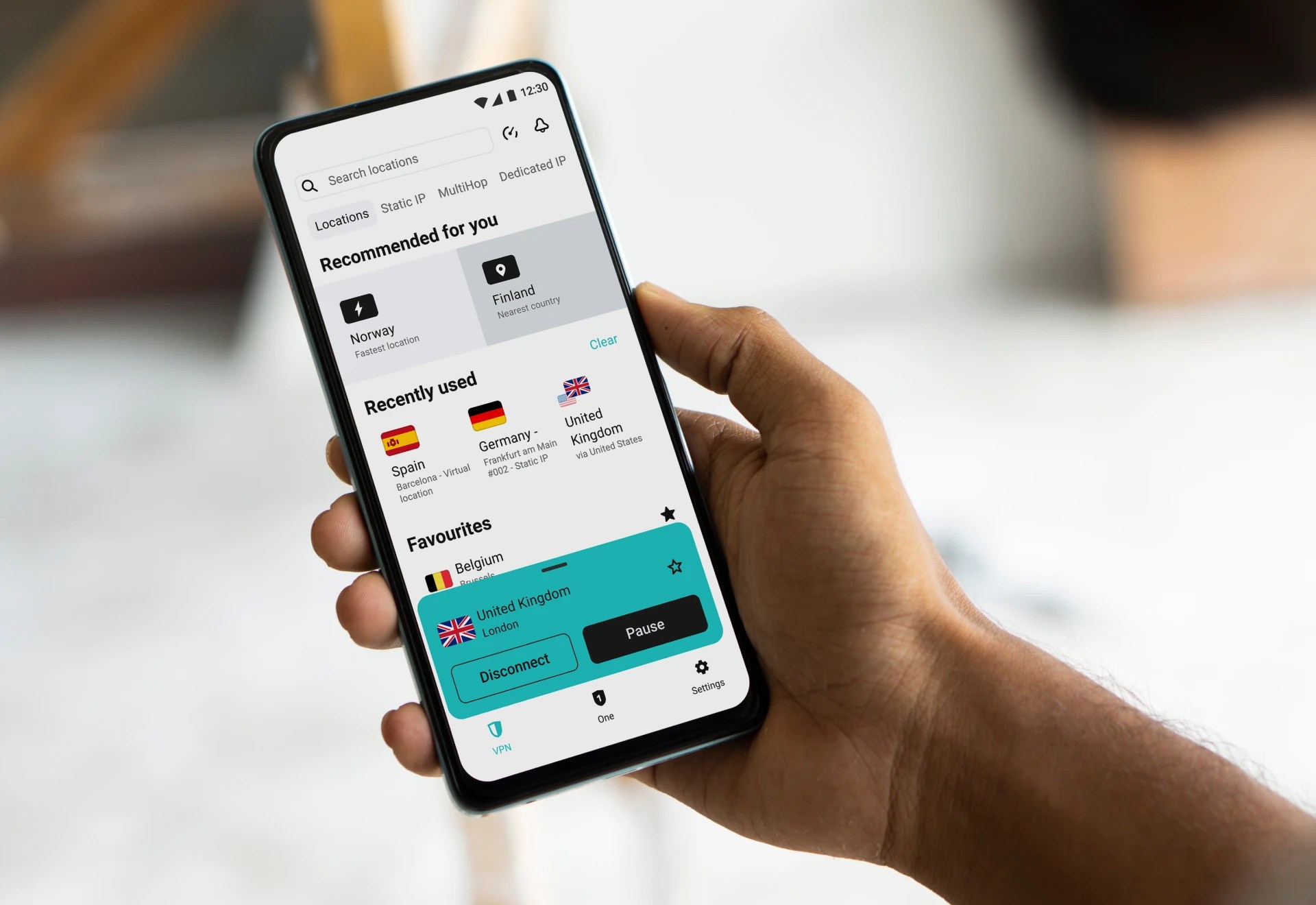
Protect Your Business Wherever You Work
Your incident response plan prepares you for the unexpected, but preventing cyber threats is even better. If you or your employees work remotely, travel frequently, or connect to public Wi-Fi, SurfsharkVPN adds another layer of protection by encrypting your internet connection and helping keep sensitive business data private. It’s an affordable way to improve your everyday cybersecurity, whether you’re in the office, at home, or on the road.
As a Surfshark affiliate, SofTouch Systems may earn a tiny little commission if you purchase through this link, at no additional cost to you. We only recommend products we believe provide real value to our clients.
Be Ready Before You Need It
Cyber incidents are no longer a matter of if, they’re a matter of when.
The businesses that recover the fastest are usually the ones that prepared before anything went wrong.
An incident response plan doesn’t eliminate cyber threats, but it can dramatically reduce downtime, limit financial losses, and help your team respond with confidence instead of confusion.
If you’re unsure whether your business is prepared, now is the perfect time to find out.
Free IT Evaluation
SofTouch Systems helps Texas businesses build stronger cybersecurity through managed IT services, password-first security, monitored backups, and practical incident response planning.
Schedule your Free IT Evaluation today and discover how our No-Surprise IT approach can help protect your business before the next cyber incident occurs.
Discover more from SofTouch Systems
Subscribe to get the latest posts sent to your email.